27 September 2020 Bulletin
Click to read the bulletin for 27 September 2020.
Click to read the bulletin for 27 September 2020.
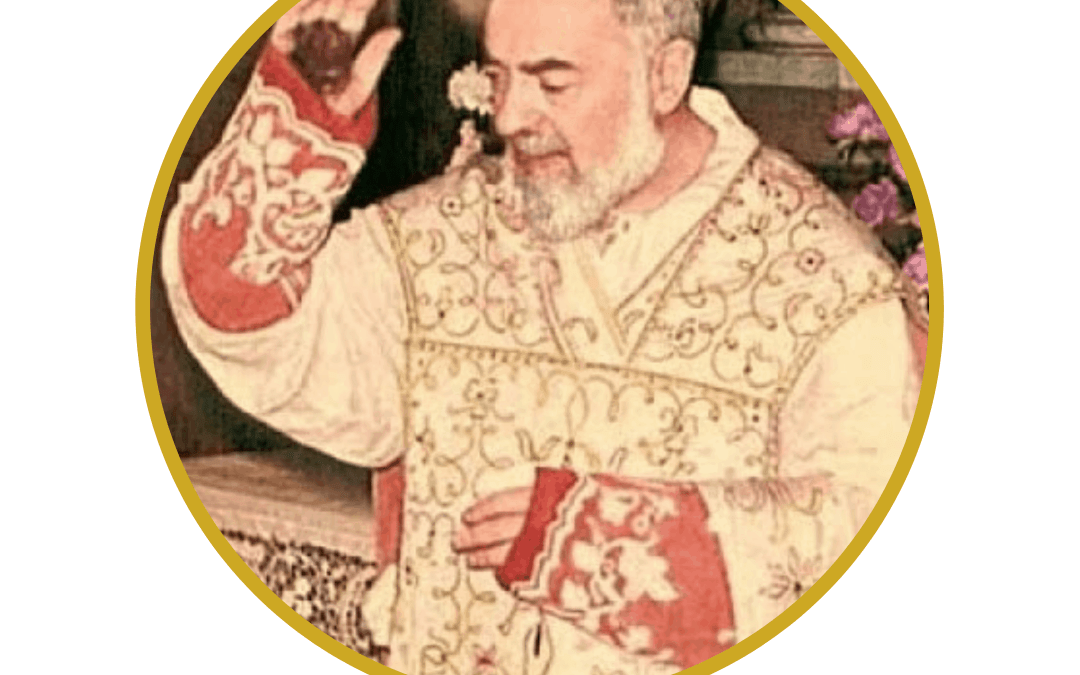
23 September: Feast of Saint Padre Pio. This feast is in honor of Italian Franciscan priest St. Pio of Petrelcina, better known as “Padre Pio” and renowned for his suffering, humility and miracles. Padre Pio was born Francesco Forgione in 1887 as one of seven children. His growing up years were marked by daily Mass, family rosary, and acts of penance. He decided at a young age to dedicate his life to God. In 1903, he put on the Franciscan habit as a Capuchin Friar. Capuchin priests seek extreme poverty, strictness, and simplicity. He took the name Pio, a modern Italian form of “Pius,” in honor of Pope St. Pius V. He was ordained a priest in 1910. Padre Pio suffered through health problems and serious illness. He experienced religious ecstasy and attacks from the devil (friars would report strange noises from his cell). In 1918, Padre Pio first received the painful Stigmata – the five wounds of Christ’s passion. This made him the first stigmatized priest in Church history. During World War I, Padre Pio served in the military and offered his own personal suffering for an end to war. Once again, he received the Stigmata wounds. They would remain with him for 50 years. Countless doctors looked at his wounds with no explanation. His wounds bled painfully every day with no drop in blood pressure. Against his wishes, Padre Pio’s reputation for holiness and miracles began to attract crowds. Countless people flocked to his confessional and many more received his saintly counsel and spiritual guidance through correspondence. His life was marked by long hours of fervent prayer and patient suffering. Padre Pio died in 1968, and was declared a saint in 2002.
Ideas for celebrating this feast day at home:
Click to read this weekend’s bulletin: 20 September 2020

This feast day focus is on the cross itself and commemorates three historical events: the finding of the True Cross by Saint Helena; the dedication of the churches built by Constantine on the site of the Holy Sepulchre and Mount Calvary; and the restoration of the True Cross to Jerusalem by the emperor Heraclius II. After the resurrection of Christ, Jewish and Roman authorities tried to hide the Holy Sepulchre, Christ’s tomb. Earth was mounded up and pagan temples were built on top. Tradition said the Cross on which Christ had died had been hidden somewhere in the vicinity. Saint Helena (mother of the emperor Constantine) was divinely inspired to travel to Jerusalem in 326 to find the True Cross. Three crosses were found. Saint Helena and Saint Macarius, the bishop of Jerusalem, devised an experiment to determine which was the True Cross. The crosses were taken to a woman who was near death; when she touched the True Cross, she was healed. Another tradition says the body of a dead man was brought and laid upon each cross. The True Cross restored the dead man to life. Constantine constructed churches at the site of the Holy Sepulchre and Mount Calvary. Those churches were dedicated and the Feast of the Exaltation of the Holy Cross was celebrated. The feast slowly spread from Jerusalem to other churches, until, by the year 720, the celebration was universal. In the early seventh century, the Persians conquered Jerusalem and captured the True Cross. Heraclius II defeated them and restored the True Cross to Jerusalem. Tradition says that he carried the Cross on his own back, but when he attempted to enter the church on Mount Calvary, a strange force stopped him. Patriarch Zacharias of Jerusalem, seeing the emperor struggling, advised him to take off his royal robes and crown and to dress in a penitential robe instead. As soon as Heraclius did so, he was able to carry the True Cross into the church. This feast day, more than anything else, is a celebration of God’s greatest work: His death and resurrection which defeated death and opened Heaven. Christ transformed an instrument of torture and humiliation into a symbol of salvation. The entrance antiphon for this Feast: “We should glory in the cross of our Lord Jesus Christ, for he is our salvation, our life and our resurrection: through him we are saved and made free.”
Ideas for celebrating this feast day at home:
Click to read this week’s bulletin: 13 September 2020
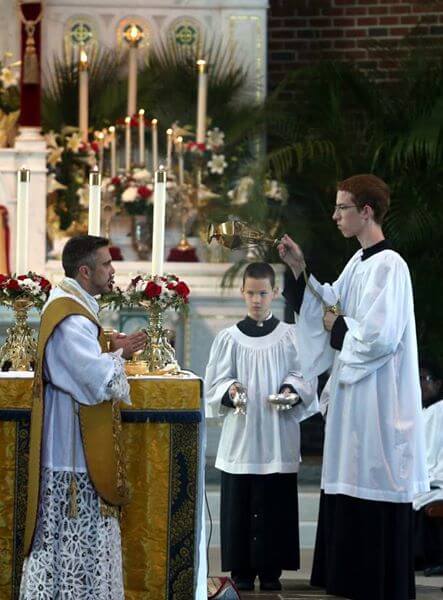
If you would like to serve at the altar, and have made your First Holy Communion, training to do so is coming! Please complete and return the registration form & COVID-19 waiver. The schedule is:
Recent Comments