20 September 2020 Bulletin
Click to read this weekend’s bulletin: 20 September 2020
Click to read this weekend’s bulletin: 20 September 2020

This feast day focus is on the cross itself and commemorates three historical events: the finding of the True Cross by Saint Helena; the dedication of the churches built by Constantine on the site of the Holy Sepulchre and Mount Calvary; and the restoration of the True Cross to Jerusalem by the emperor Heraclius II. After the resurrection of Christ, Jewish and Roman authorities tried to hide the Holy Sepulchre, Christ’s tomb. Earth was mounded up and pagan temples were built on top. Tradition said the Cross on which Christ had died had been hidden somewhere in the vicinity. Saint Helena (mother of the emperor Constantine) was divinely inspired to travel to Jerusalem in 326 to find the True Cross. Three crosses were found. Saint Helena and Saint Macarius, the bishop of Jerusalem, devised an experiment to determine which was the True Cross. The crosses were taken to a woman who was near death; when she touched the True Cross, she was healed. Another tradition says the body of a dead man was brought and laid upon each cross. The True Cross restored the dead man to life. Constantine constructed churches at the site of the Holy Sepulchre and Mount Calvary. Those churches were dedicated and the Feast of the Exaltation of the Holy Cross was celebrated. The feast slowly spread from Jerusalem to other churches, until, by the year 720, the celebration was universal. In the early seventh century, the Persians conquered Jerusalem and captured the True Cross. Heraclius II defeated them and restored the True Cross to Jerusalem. Tradition says that he carried the Cross on his own back, but when he attempted to enter the church on Mount Calvary, a strange force stopped him. Patriarch Zacharias of Jerusalem, seeing the emperor struggling, advised him to take off his royal robes and crown and to dress in a penitential robe instead. As soon as Heraclius did so, he was able to carry the True Cross into the church. This feast day, more than anything else, is a celebration of God’s greatest work: His death and resurrection which defeated death and opened Heaven. Christ transformed an instrument of torture and humiliation into a symbol of salvation. The entrance antiphon for this Feast: “We should glory in the cross of our Lord Jesus Christ, for he is our salvation, our life and our resurrection: through him we are saved and made free.”
Ideas for celebrating this feast day at home:

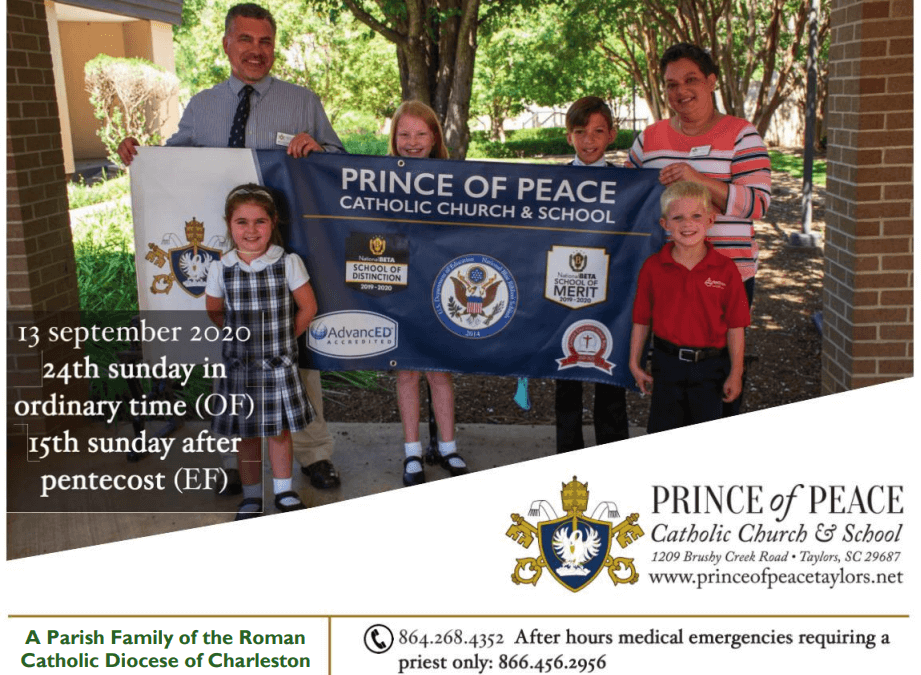
Click to read this week’s bulletin: 13 September 2020
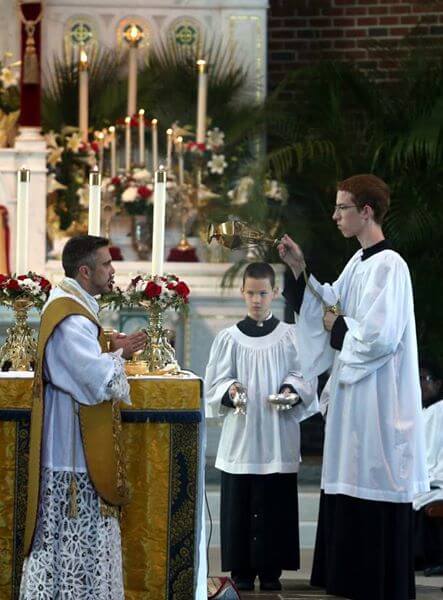
If you would like to serve at the altar, and have made your First Holy Communion, training to do so is coming! Please complete and return the registration form & COVID-19 waiver. The schedule is:
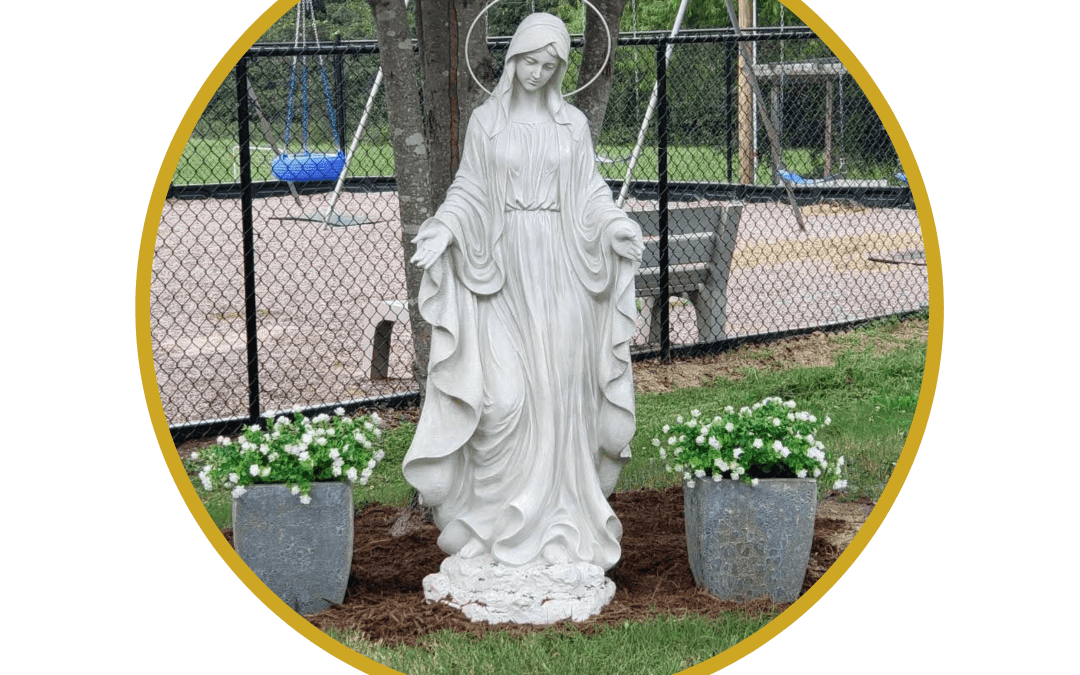
8 September: Feast of the Nativity of the Blessed Virgin Mary. This feast day commemorates the birth day of Mary. There are only three birthdays on the liturgical calendar: Mary, Jesus, and John the Baptist. Usually, it is the custom to celebrate the feast day of a saint on the date of their death as that marks their “birth” into everlasting life. Mary, however, entered the world sinless (known as the “Immaculate Conception”). Mary is called the firstborn of the redeemed and her nativity is “the hope of the entire world and the dawn of salvation” (Pope Paul VI, Marialis Cultus). Mary’s birth is not recorded in scripture but is found in the Protevangelium of James, an apocryphal writing from the 2nd century. The liturgical celebration of this feast has a joyous theme of light: the world that had been shadowed in the darkness of sin sees a glimmer of light with the arrival of Mary. Through Mary comes Christ, the Light of the World. Mary has a pivotal role in salvation history and her nativity is cause for joyful celebration. Today and every day, let us call upon the Blessed Mother as “Cause of our joy”, one of the beautiful titles in her litany.
“Thy birth, O Virgin Mother of God, heralded joy to all the world. For from thou hast risen the Sun of justice, Christ our God. Destroying the curse, He gave blessing; and damning death, He bestowed on us life everlasting. Blessed art thou among women and blessed is the fruit of thy womb.”
(from The Divine Office – Matins (Morning Prayer))
Ideas for celebrating this feast day at home:
Pray a rosary – that’s the best way to say “happy birthday” to your heavenly mother!
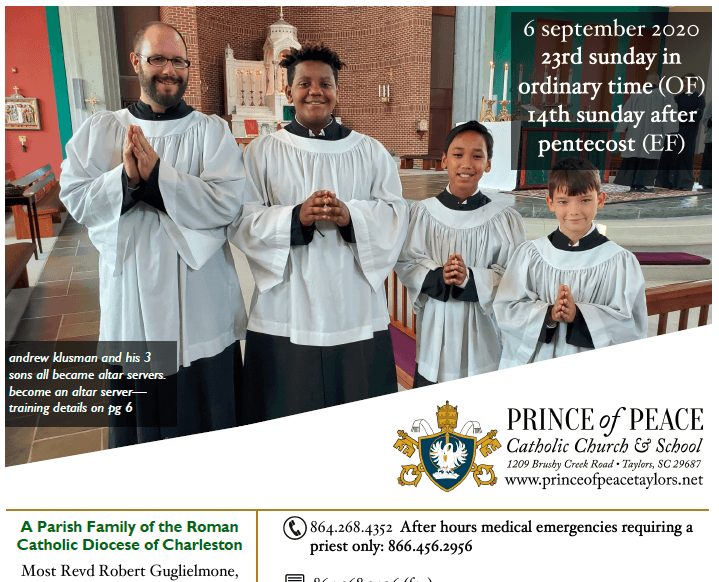
Click to read this weekend’s bulletin: 6 September 2020
8 September: Feast of the Nativity of the Blessed Virgin Mary. This feast day commemorates the birth day of Mary. There are only three birthdays on the liturgical calendar: Mary, Jesus, and John the Baptist. Usually, it is the custom to celebrate the feast day of a saint on the date of their death as that marks their “birth” into everlasting life. Mary, however, entered the world sinless (known as the “Immaculate Conception”). Mary is called the firstborn of the redeemed and her nativity is “the hope of the entire world and the dawn of salvation” (Pope Paul VI, Marialis Cultus). Mary’s birth is not recorded in scripture but is found in the Protevangelium of James, an apocryphal writing from the 2nd century. The liturgical celebration of this feast has a joyous theme of light: the world that had been shadowed in the darkness of sin sees a glimmer of light with the arrival of Mary. Through Mary comes Christ, the Light of the World. Mary has a pivotal role in salvation history and her nativity is cause for joyful celebration. Today and every day, let us call upon the Blessed Mother as “Cause of our joy”, one of the beautiful titles in her litany.
“Thy birth, O Virgin Mother of God, heralded joy to all the world. For from thou hast risen the Sun of justice, Christ our God. Destroying the curse, He gave blessing; and damning death, He bestowed on us life everlasting. Blessed art thou among women and blessed is the fruit of thy womb.”
(from The Divine Office – Matins (Morning Prayer))
Ideas for celebrating this feast day at home:
Pray a rosary – that’s the best way to say “happy birthday” to your heavenly mother!
Recent Comments